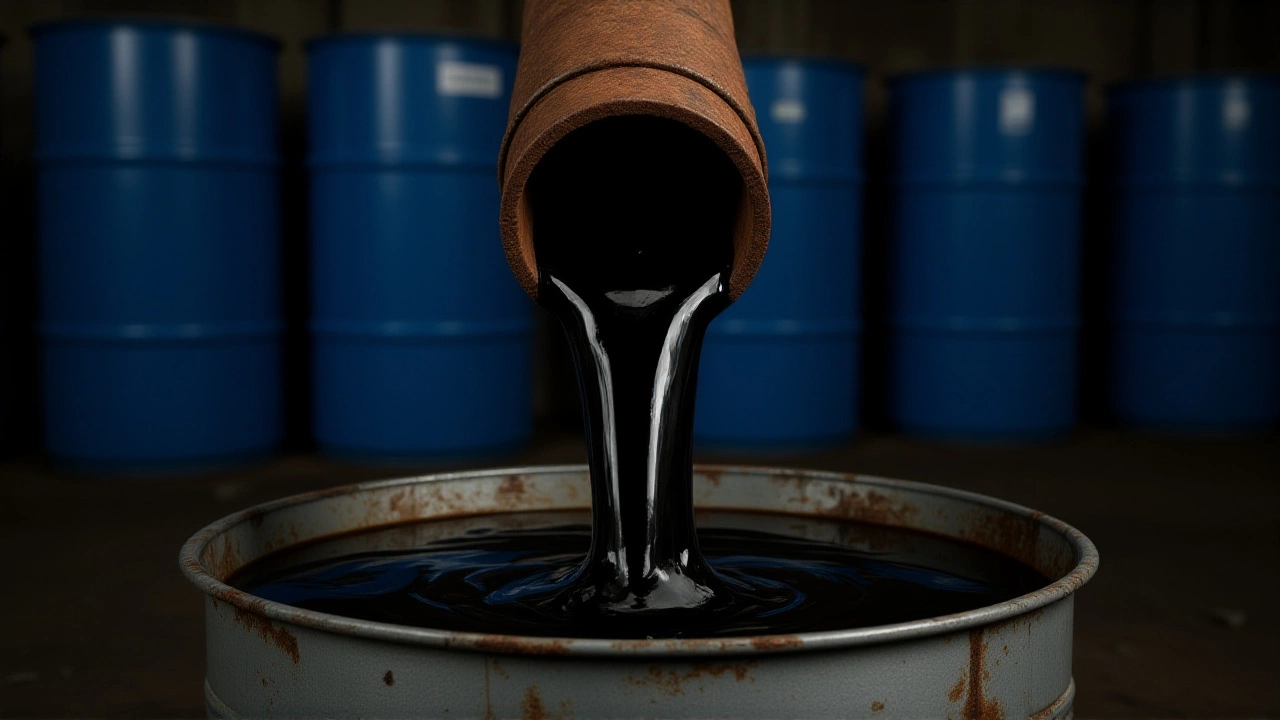
When Donald Trump, US President, announced a two-week ceasefire with Iran on May 6, 2026, the global energy market didn't just react—it crashed. Within hours, West Texas Intermediate (WTI) crude plummeted 9% to $92 per barrel, while Brent crude dipped below the psychological $100 barrier for the first time in months. The twist? This wasn't just about supply and demand. It was about the reopening of the Strait of Hormuz, the narrow waterway through which roughly 20% of the world's oil flows.
The volatility has been staggering. Just days earlier, fears that the conflict would permanently choke off Middle Eastern exports had sent Brent prices soaring to $119 per barrel—a nearly 50% spike from pre-war levels. Now, traders are pricing in peace, and the relief is palpable. But here’s the thing: despite the sharp drop, oil remains expensive compared to historical norms, and consumers in major importing nations like India aren’t seeing immediate relief at the pump.
The Geopolitical Trigger
It all came down to diplomacy. For weeks, tensions between the US and Iran had escalated into what analysts called "Operation Epic Fury," a military campaign that threatened to sever critical shipping lanes. The Strait of Hormuz effectively closed, causing panic among refiners and governments alike. Supply chains frayed. Prices skyrocketed.
Then, on Wednesday morning, the narrative shifted. Trump’s announcement of a temporary truce included a commitment to reopen the strait to commercial traffic. By midday, WTI futures were trading at $91.11 per barrel. Later updates showed further declines, with some reports citing WTI as low as $82.82 and Brent touching $86.93 before stabilizing around $94–$96 range. The speed of the reversal stunned veteran traders who had braced for prolonged scarcity.
Marco Rubio, US Secretary of State, confirmed the end of active hostilities, signaling that Washington was prioritizing de-escalation over continued pressure. His statement added credibility to the ceasefire, calming nerves across financial centers from London to Mumbai.
Emergency Reserves Enter the Picture
But geopolitics isn’t the only factor driving this correction. Behind the scenes, the International Energy Agency (IEA) has been quietly preparing contingency plans. According to official reports, the G7 nations have urged the IEA to consider releasing strategic petroleum reserves to stabilize markets.
This move mirrors actions taken during previous crises—like the 2022 Ukraine invasion or the 2011 Arab Spring disruptions. Back then, coordinated reserve releases helped dampen price spikes. Today, the mere possibility of such intervention is enough to cool speculative buying. Analysts note that if the IEA follows through, we could see another leg down in prices, potentially pushing WTI below $80.
Why Consumers Aren’t Feeling the Relief Yet
Here’s where it gets complicated. While international benchmarks have fallen sharply, domestic fuel prices in countries like India haven’t budged. In New Delhi, petrol still costs ₹94.77 per liter; in Kolkata, it’s ₹105.41. Diesel ranges from ₹87.67 to ₹92.61 depending on the city.
Why no pass-through savings? Two reasons. First, current global prices are still well above pre-conflict levels. Second, Indian oil marketing companies are operating at a loss due to high import costs and subsidized retail rates. The government has chosen to absorb these losses rather than burden consumers with higher taxes. As one economist put it, “They’re holding the line until they’re sure the trend is permanent.”
What’s Next for Global Energy Markets?
The coming weeks will be telling. If the ceasefire holds and the Strait of Hormuz remains open, expect gradual normalization. However, any setback—missed deadlines, renewed skirmishes, or delays in reserve releases—could reignite volatility. Traders are watching closely for signs of sustained stability versus short-term euphoria.
Historically, post-crisis corrections tend to overshoot. Remember how oil dropped after the 2008 peak? Or the plunge following OPEC+ production hikes in 2020? We might see similar patterns here. For now, though, the message is clear: peace pays dividends—at least for those holding cash instead of barrels.
Frequently Asked Questions
How does the US-Iran ceasefire affect global oil prices?
The ceasefire reduces fears of supply disruption by reopening the Strait of Hormuz, which handles ~20% of global oil shipments. This eased investor anxiety, leading to a rapid sell-off in crude futures. WTI fell 9% and Brent dropped below $100/barrel within 24 hours of the announcement.
Will Indian petrol and diesel prices drop soon?
Not immediately. Although global crude prices have fallen, they remain elevated compared to pre-war levels. Indian oil companies are currently selling fuel at a loss, so the government is unlikely to lower taxes or allow price cuts until market conditions stabilize further.
What role is the IEA playing in stabilizing oil markets?
The International Energy Agency is considering releasing emergency strategic reserves to boost supply and curb speculation. The G7 has formally requested this action. Even the threat of release has helped calm markets, preventing extreme volatility.
How much did oil prices rise before the ceasefire?
Brent crude surged approximately 50%, reaching $119 per barrel when the Strait of Hormuz was blocked. WTI also climbed significantly, briefly exceeding $100/barrel. These peaks reflected severe supply concerns driven by geopolitical risk.
Is the current oil price drop sustainable?
Only if the ceasefire lasts and shipping resumes normally. Any breakdown in talks or new incidents could reverse gains quickly. Additionally, if the IEA doesn’t follow up with actual reserve releases, speculative pressures may return once initial optimism fades.