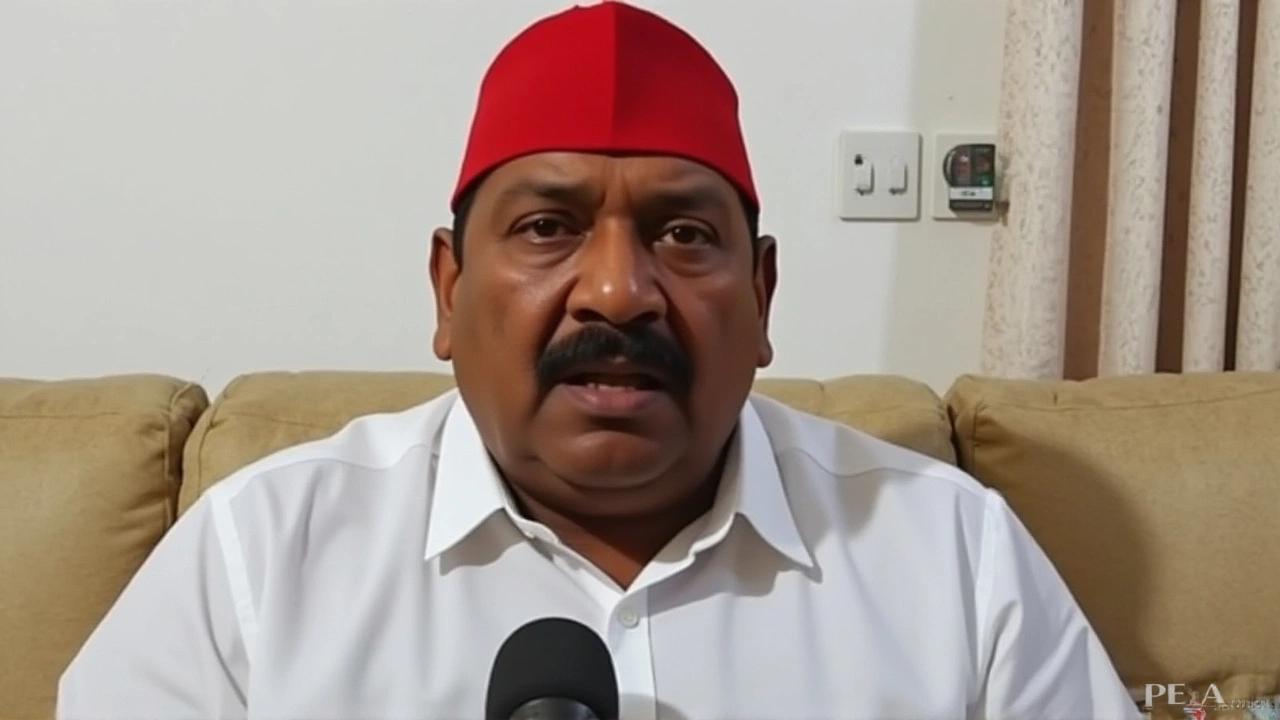
When Avdhesh Prasad, Member of Parliament from Samajwadi Party, recently took to the media in Ayodhya, he didn't mince words. The opposition alliance known as the INDIA bloc is preparing for a major move to unseat the ruling National Democratic Alliance. Here’s the thing: this isn’t just routine political posturing. With assembly elections in Uttar Pradesh heating up, the stakes have never been higher.
The announcement came from Ayodhya, a city that carries immense symbolic weight in Indian politics. Prasad, representing the Samajwadi Party (SP), suggested that an upcoming meeting of the opposition coalition would result in decisive actions. While specific dates remain vague, the urgency in his tone signals a shift in strategy. The opposition is no longer just talking; they are planning.
The Stakes in Uttar Pradesh
Uttar Pradesh is often called the "kingmaker" state in Indian general elections. It sends 80 members to the Lok Sabha, more than any other state. If the opposition wants to challenge the NDA at the center, winning here is non-negotiable. Currently, the political atmosphere in the state is tense. Campaign trails are being mapped out, and alliances are being tested.
Prasad’s comments arrive at a critical juncture. The Samajwadi Party, led by Akhilesh Yadav, has been working to rebuild its base after mixed results in recent years. By linking their regional struggle to the national narrative of removing the NDA, they hope to galvanize voters who feel disconnected from New Delhi’s policies. It’s a classic playbook: connect local grievances to national leadership changes.
Three Core Issues Driving the Agenda
So, what exactly is this "big work" Prasad mentioned? According to reports from Navbharat Times, the INDIA bloc’s agenda revolves around three specific pillars:
- Eradicating Unemployment: This is perhaps the most potent issue facing young India. With millions entering the job market annually, the lack of quality employment opportunities has become a central point of contention.
- Territorial Integrity with China: Prasad specifically mentioned reclaiming land from China. This refers to ongoing border disputes along the Line of Actual Control (LAC). The sentiment here is nationalist and emotional, tapping into public frustration over perceived diplomatic softness.
- Protecting National Dignity: A broader, vaguer term that allows the opposition to criticize various government policies without getting bogged down in specifics. It’s a catch-all for issues ranging from foreign policy to domestic social dynamics.
These aren’t new topics. They’ve been part of the political discourse for years. But bundling them together under the banner of an imminent strategic meeting suggests a coordinated campaign launch.
The Claim of "Peace"
Here’s where it gets interesting. Prasad argued that removing the NDA is necessary to bring peace to the country. That’s a heavy charge. It implies that the current administration is responsible for unrest or instability. While the details of this "unrest" weren’t specified in the report, the implication is clear: the opposition is positioning itself as the guardian of social harmony.
Critics might argue that peace is a complex metric, influenced by global factors, economic conditions, and internal security challenges that transcend party lines. But in the heat of election season, simplicity wins. The message is binary: NDA equals chaos, Opposition equals order.
What’s Missing from the Picture?
Turns out, there are some gaps in the reporting. The initial reports from Navbharat Times didn’t include specific dates for the meeting, a detailed agenda, or reactions from other key players like the Bharatiya Janata Party (BJP) or the Indian National Congress. No financial figures, no polling data, just the claim.
This lack of concrete detail is common in early-stage political announcements. It creates buzz without committing to specifics that could be easily fact-checked or criticized. For now, we’re left with the promise of action rather than the action itself.
Historical Context: The NDA and Beyond
To understand the weight of these claims, you have to look back. The National Democratic Alliance, led by the BJP, was formed in 1998. It has dominated Indian politics for much of the last two decades. The INDIA bloc, on the other hand, is a newer formation, created explicitly to counter this dominance. It brings together parties with diverse ideologies, from secular centrists to regional nationalists.
The challenge for the INDIA bloc has always been cohesion. Can parties with different agendas stick together long enough to win? Prasad’s statement suggests confidence in this unity. Whether that confidence is warranted remains to be seen.
What Comes Next?
Keep an eye on Uttar Pradesh. Any major policy announcement or candidate list release will likely follow soon. The coming weeks will reveal whether the INDIA bloc can translate rhetoric into a viable electoral strategy. For now, the ball is in their court.
Frequently Asked Questions
Who is Avdhesh Prasad?
Avdhesh Prasad is a Member of Parliament (MP) representing the Ayodhya constituency in Uttar Pradesh. He is a prominent leader of the Samajwadi Party (SP), one of the key regional parties in northern India. His statements carry significant weight due to his position within the opposition alliance.
What is the INDIA bloc?
The INDIA bloc (Indian National Developmental Inclusive Alliance) is a coalition of opposition political parties in India. It was formed to present a united front against the ruling National Democratic Alliance (NDA). The alliance includes major parties like the Indian National Congress, Samajwadi Party, and several regional outfits.
Why is Uttar Pradesh so important?
Uttar Pradesh is India's most populous state and sends the highest number of representatives (80 seats) to the Lok Sabha. Winning a majority here is often crucial for any party aiming to form the central government. It is considered a bellwether for national political trends.
What does "reclaiming land from China" mean?
This refers to the ongoing territorial disputes between India and China along their shared border, particularly in regions like Ladakh and Arunachal Pradesh. The phrase is used politically to highlight concerns about national sovereignty and border security, appealing to patriotic sentiments among voters.
Is there a confirmed date for the INDIA bloc meeting?
As of the latest reports, no specific date has been officially announced for the high-level meeting mentioned by Avdhesh Prasad. He indicated that it would take place in the "coming days," but details regarding the venue, agenda, and attendees remain unclear.